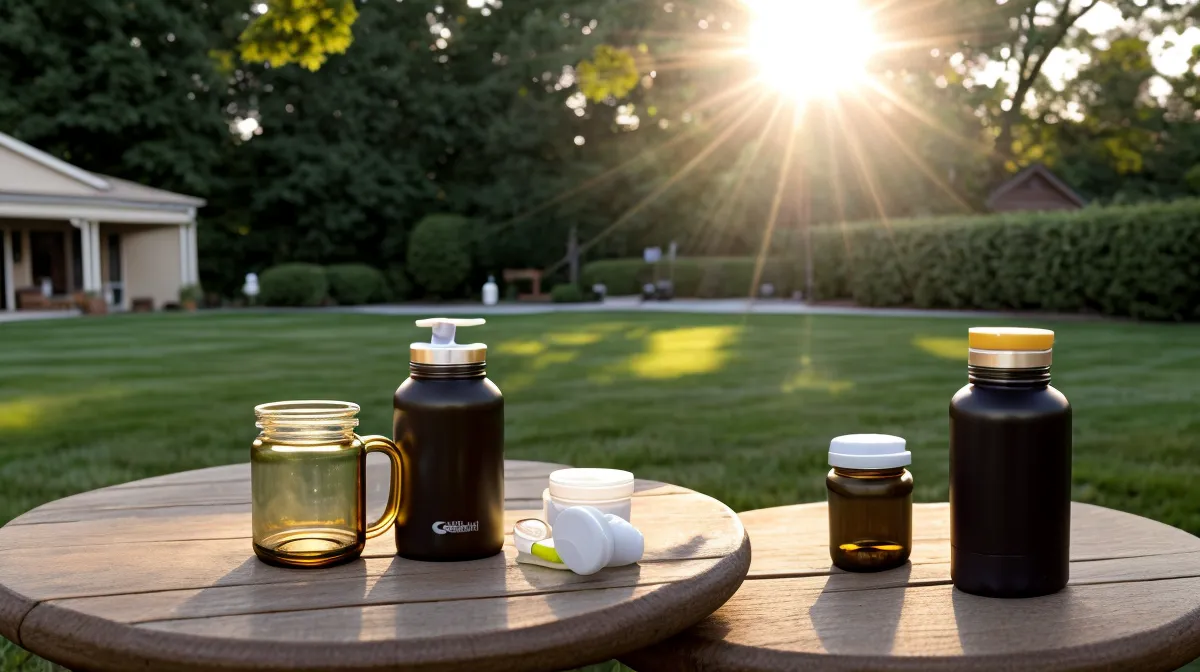
The water bottle in my hand is always colder than the room around it, every single morning, long before the heater ever bothers to kick on.
Quick disclosure since we're starting close together: a few links below are affiliate links, and if you buy through one I earn a small commission at no extra cost to you. I only bring up things I've actually tested myself, not stuff I read on some men's health forum. For the longer version of how a regular guy over 50 ended up caring this much about morning routines, cholesterol, and yes, prostate health, there's Turning 52 Hit Different: The Health Stuff Nobody Warns You About.
The Myth That's Wrecking Every Guy's Morning Routine Over 50
Look, here's the myth going around every gym locker room and supplement aisle: fixing how garbage you feel in the morning is about finding the right thing to add. Another supplement. A stronger coffee. Some gadget promising to hack your cortisol before breakfast even happens. None of that is true, and I spent real time and a little money finding it out the hard way.
My doctor mentioned my cholesterol and my slowing metabolism in the same appointment last winter, like both were somehow a personal failing. He wasn't wrong that something needed to change. He never actually said the fix was something I could buy, though, and that part took me longer to figure out on my own.
A neighbor of mine has been training for 5Ks with the running club that meets out at Chatfield State Park in Littleton, and watching him lace up before sunrise while I was still negotiating with my coffee maker made the difference impossible to ignore. He wasn't doing more than me. He was doing less, just in a smarter order.
Why Isn't the Answer Just Another Supplement?
I actually tried the opposite extreme first, since subtlety was never really my strong suit. Six straight weeks of strict 16:8 intermittent fasting. Nothing before noon, on the theory that skipping breakfast entirely would reset whatever was broken. It didn't. Mornings got worse, not better, and the dog somehow had more energy at eight years old than I've had since my thirties. No fasting protocol on earth was going to close that gap.
What actually turned out to be true was simpler and less dramatic than any experiment: the problem wasn't what I was eating or not eating. It was that everything happened in the wrong order. Coffee first, water never, movement only when the dog demanded it.
What 15 Minutes Actually Buys You
If you only change one thing, change the order, not the ingredient list. Water before coffee, movement before sitting down at a desk, supplements last instead of first. That single reorder did more for how I felt than any single product ever managed, and it costs nothing to try.
Hydration Before Anything Else Touches Your Mouth

The first five minutes are just water, plain and unglamorous. Sixteen ounces at room temperature with a small pinch of salt, finished before the coffee pot even turns on. That simple swap made the biggest difference to how heavy my stomach felt on morning walks, more than anything else in the whole routine.
Loosen the Hinges Before You Ask the House to Move
Five minutes go to what I call maintenance stretches, not yoga, because I don't have the hamstrings for yoga and never will. A few lunges, some arm circles, a deep squat against the kitchen counter for balance. It's less about flexibility and more about reminding the joints they're still on the clock, the same way you'd check the hinges on a door before you lean on it.
If you've ever wondered Why Morning Hikes in Denver Feel Harder Now, a good chunk of it comes down to skipping exactly this kind of basic oiling of the gears before asking your knees to do anything ambitious.
The Maintenance Slot: Where the Supplement Question Comes In

Supplements get the last five minutes, the part people want to skip straight to, since that's the part with a price tag attached. I use Protoflow now, partly because the label lists actual dosages instead of hiding everything behind a proprietary blend, and partly because it's built for general maintenance, not one specific complaint.
It costs more than the bargain-bin bottles at the grocery store, sure, but set against what I used to burn on quad-shot lattes just to survive till lunch, the math still works out for me. The bigger shift was in how I slept, not how wired I felt, and better sleep did more for my mood than caffeine ever managed.
Some of this gets marketed heavily around specific concerns, prostate health being the big one, though I think of it more as general upkeep than any single gland's business. It's a separate conversation from the low-testosterone questions guys ask me about constantly, which deserves its own space rather than a rushed paragraph here. The same neighbor training for those Chatfield 5Ks actually started using ProstaVive drops before a mountain trip last year and told me he preferred not adding another pill to the pile he already swallows every morning.
With Protoflow specifically, the effect isn't really about feeling wired, but rather about sleeping through more of the night without the restless, half-awake tossing I used to blame on stress. Less of that also means less of the fuzzy, half-there feeling by mid-afternoon, the kind of thing that used to make me wonder Is Brain Fog Normal After 50 or whether I was just losing my edge for good.
Clearing that fog also freed up enough energy to actually look into How to Boost Metabolism After 50 Without Intense Cardio Every Day, a subject that deserves its own space rather than a rushed mention here.
The Real Fix: It's What You Reorder, Not What You Add
Go back to the myth for a second: the idea that feeling better after 50 requires finding the one right product. It doesn't. It requires water before coffee, movement before stillness, and maintenance treated as routine instead of an emergency response to a bad checkup.

None of this makes me twenty-five again, and my golden retriever still out-hustles me every single morning by a margin that should honestly be embarrassing. But the order of those first fifteen minutes turned out to matter more than anything I ever added to my routine, and that's the part worth stealing before you spend a dime on anything else.
Start with the water, not the supplement aisle. If a targeted product still earns a place in your last five minutes, Protoflow is the one I actually use, though I know guys who'd rather chew than swallow and have had a fine experience with FlowForce Max instead. Either way, your future self, and definitely your dog, will notice the difference before you do.